ChatGPT, the AI chatbot that has taken the world by storm, is increasingly used by businesses and individuals in the UK. But as a UK user, you might be wondering: who exactly am I contracting with when I use ChatGPT? This question is more layered than https://smoothdecorator.com/is-the-openai-foundation-the-same-thing-as-the-old-openai-nonprofit/ it seems, given the complex corporate and legal arrangements behind OpenAI's technology.
In this article, we'll clarify the key entities involved, explain the different meanings of ownership, and guide UK users through the applicable contractual terms. We’ll naturally reference OpenAI, OpenAI Group PBC, and the OpenAI Foundation, including their roles and how this affects your user contract. Additionally, we'll address both the EU-specific and the rest-of-world terms of use to ensure you know which agreements apply.
ChatGPT Is an OpenAI Product, Not a Separate Company
It’s important to start with a foundational fact: ChatGPT is a product created and operated by OpenAI. It is not a separate legal company or entity. Instead, it’s one of the flagship AI services developed under the umbrella of OpenAI’s organizational structure.
OpenAI is composed of several interrelated entities including:
- OpenAI Group PBC: The public benefit corporation responsible for the overall operations and product development. OpenAI Foundation: A nonprofit entity that holds special governance rights and oversees certain board-level decisions. OpenAI OP Co LLC: The operating subsidiary responsible for commercial activities and service delivery.
These entities together form a complex but intentionally designed ecosystem aimed at balancing innovation, public mission, and commercial scale.

Four Meanings of Ownership: Understanding the Layers
The idea of "ownership" in OpenAI’s context is nuanced. When considering "who owns ChatGPT?" or "whom am I contracting with?" you have to differentiate between four key kinds of ownership or control:
Operator: The entity that operates and manages the ChatGPT service day-to-day. Legal Structure: The formal legal entity(ies) that exist on paper and sign contracts. Economic Stake: The holders of financial interest or profit-sharing rights in OpenAI’s businesses. Governance Control: The power to make strategic decisions, typically embodied by board voting or special rights.For UK users entering a contract to use ChatGPT, these distinctions matter because each affects what contracts apply, whom you are dealing with, and the protections you receive.
Operator and Legal Structure: The Contracting Parties for UK Users
Currently, UK users who access ChatGPT are contracting with OpenAI OP Co LLC, the operating company. This is explicitly reflected in OpenAI’s Terms of Use.
OpenAI’s Terms of Use vary by region. For European users — including https://bizzmarkblog.com/why-microsoft-investment-value-is-not-the-same-as-governance-control/ the UK — OpenAI provides a specific European Terms of Use tailored to comply with EU data protection rules and consumer laws.
In contrast, users from the rest of the world (RoW), which includes the UK despite Brexit (more on this below), generally accept the Rest-of-World Terms of Use. These documents name OpenAI OP Co LLC as the contracting entity for users globally, but the EU-specific version includes additional provisions.
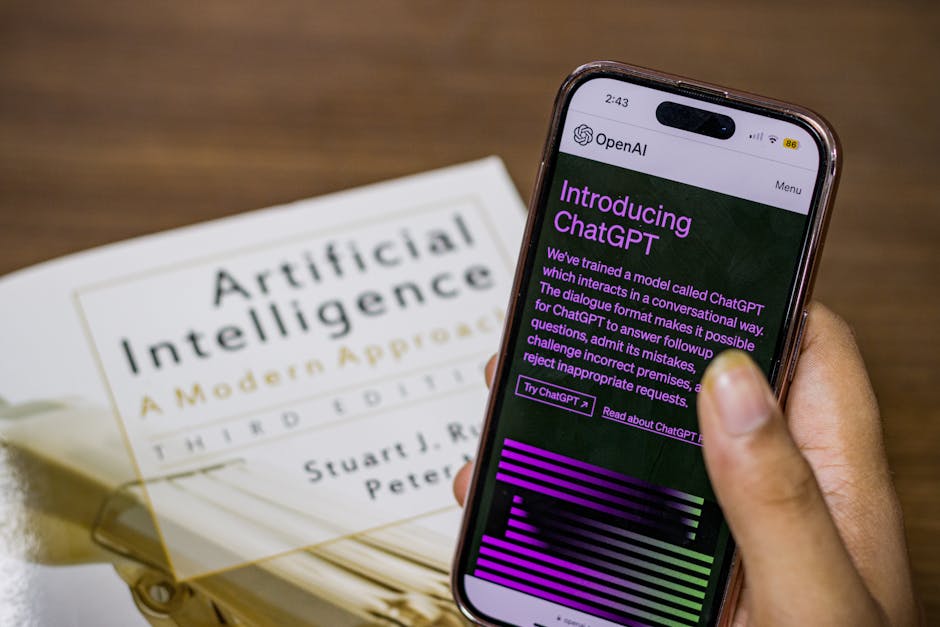
While OpenAI Group PBC is the parent corporation, and OpenAI Foundation holds governance influence, neither directly contracts with individual users. Instead, these roles are more about strategic governance and long-term guidance.
Economic Stake: Volatility and Misreporting
When it comes to economic ownership — who earns profits or has a stake in OpenAI’s technology — the situation is less straightforward.
OpenAI’s economic ownership is volatile and often misreported. Unlike a typical publicly traded company or traditional startup with clear shareholders, OpenAI operates a capped-profit model. Investors, employees, and partners may hold varying forms of economic interests, but these stakes are subject to limits and complex agreements designed to fund AI research responsibly while maintaining alignment with OpenAI’s mission.
This complexity means that news reports about “OpenAI investors” or ownership percentages may oversimplify or misunderstand the real structure behind profit sharing.
Governance Control: The Role of OpenAI Foundation
Importantly, governance — the power to make strategic and mission-critical decisions — is concentrated in the hands of the OpenAI Foundation. The Foundation holds special voting rights and seats on OpenAI Group PBC’s board, ensuring that OpenAI’s public benefit mission remains at the forefront.
This separation between economic and governance ownership is deliberate: it reduces risk that profits trump ethical and societal concerns.
Which Terms of Use Apply to UK Users?
After Brexit, the UK is no longer part of the European Union, but many UK companies and users still rely on European frameworks for privacy and consumer protections. OpenAI takes this into account by outlining:
- OpenAI Terms of Use (European terms): Applies specifically to users located in the European Economic Area (EEA). OpenAI Rest-of-World Terms of Use: Covers all users outside the EEA, which includes UK users as of now.
Therefore, as a UK user, you likely contract under the OpenAI Rest-of-World Terms of Use, unless you are using a version of ChatGPT identified explicitly under the EU framework (such as via an EU legal entity). This means:
- The contracting party is OpenAI OP Co LLC. Your rights, data protection, and liability terms are governed chiefly by the Rest-of-World terms. Because the UK maintains data protection laws similar to the EU’s GDPR, OpenAI applies equivalent standards informally.
Key Implications for UK Users
Understanding which terms you accept when you use ChatGPT in the UK matters, especially for businesses considering compliance, data privacy, and regulatory frameworks. Some key points include:
- You are entering a contract with OpenAI OP Co LLC, a Delaware-registered limited liability company. While the Rest-of-World Terms apply, OpenAI extends many GDPR-aligned data protections to UK users. Your interactions with ChatGPT are managed under the operational control of OpenAI OP Co LLC, supported by the broader OpenAI Group PBC and governed ultimately by the OpenAI Foundation’s oversight.
Summary Table: Key Entities and Roles
Entity Role Relationship to User Contract Ownership Type OpenAI OP Co LLC Operating Company Contracts directly with UK users under Rest-of-World Terms of Use Legal & Operational OpenAI Group PBC Parent Corporation Oversees the product and strategy but does not directly contract with users Legal structure/Parent corp. OpenAI Foundation Nonprofit Governance Entity Controls board decisions through special governance rights Governance Control Investors, Employees Economic Stakeholders Holds capped-profit arrangements and financial stakes; unrelated to legal contract with users Economic OwnershipConclusion
For UK users of ChatGPT, the company you are contracting with is OpenAI OP Co LLC. While OpenAI Group PBC and the OpenAI Foundation shape the strategic and governance framework behind ChatGPT, your user agreement, compliance rights, and day-to-day service delivery concerns are with the operating company named in the terms of use.
Understanding these distinctions is critical for clarity, especially in contracts, compliance, or when assessing legal risk. The complexity of OpenAI’s structure mirrors the complexity of AI governance and innovation in the modern world: multiple layers of legal, economic, and governance ownership designed to balance commercial success with ethical stewardship.
If you are a UK user—whether individual or business—review the Rest-of-World Terms of Use carefully, and keep in mind who the contracting party is: OpenAI OP Co LLC. This clarity supports confident and informed use of one of today's most powerful AI tools.
```