When a stream freezes in the middle of overtime, support hours matter almost as much as picture quality. A provider may advertise thousands of channels, but that does not tell you whether anyone will answer when a big game is on. Before subscribing, check the actual support schedule, how to reach the team, and what help is available after business hours.
This guide explains what Canadian viewers should ask about IPTV support, including iptv live chat support, bilingual IPTV support, CAD pricing, device setup, trials, refunds, and watching on multiple screens. It also covers how to test a service before inviting the whole family over for game night.
Will IPTV support answer during a game?
Sometimes—but don’t assume that “24/7 streaming” means “24/7 human support.” A service can be available around the clock while its support staff answer only during set hours. Even a published schedule may have longer waits during a major hockey, football, or basketball event, when lots of customers are watching at once.
If a provider lists support 9am to midnight ET, that is a useful window for many Canadian households: it covers the evening in Eastern Time and extends past the end of many games. But confirm what the hours mean. Are those hours for live chat, email replies, or both? Is midnight the time the last chat can start, or when the team stops answering? And does the schedule change on weekends or holidays?
Questions to ask before you subscribe
- What are your support hours in Eastern Time, including weekends and holidays? Do you offer iptv live chat support, or is help handled by email or a messaging app? Can I speak with someone in English or French? What does bilingual IPTV support cover? How quickly do you usually answer during a major live event? Can support help troubleshoot my specific device and home network? What should I do if live chat is closed and a stream stops working?
For Quebec households and bilingual families, ask whether support can actually handle setup questions in French—not just provide a translated welcome message. A clear answer is more useful than a vague promise of “multilingual service.”
Check the support channel, not just the advertised hours
Support quality depends on how you can reach the team and whether the person answering can troubleshoot the problem. Live chat is handy when you’re trying to watch a game, but it helps only if a real agent responds and can work through your device, app, and connection—not simply send the same Go to this website restart instruction for every issue.
Before paying, try contacting the https://dibz.me/blog/how-to-restart-a-router-properly-for-iptv-what-order-do-i-unplug-things-1290 provider with a practical question. For example: “I use a Samsung TV and the stream buffers on Wi-Fi in the evening. What information should I send you?” Notice whether the reply is specific, understandable, and consistent with the provider’s published hours. If you’re considering IPTV Jacom, ask the company directly to confirm its current support schedule and contact options rather than relying on an old listing or a third-party claim.
Also ask what details support needs if something goes wrong. Your device model, app name, approximate time of the issue, and whether other devices are online can help narrow down the cause. Don’t share account passwords or payment details in a public chat or social-media post.
Game-night buffering: diagnose the timing
When does the buffering happen? That’s the first question I’d ask. A stream that struggles only at 8 p.m. may point to a different problem than one that fails every time the TV turns on. Note whether the issue is limited to one channel, appears across all channels, or affects other devices in your home too.
A short record of the problem makes support more useful. Write down the date and time, the device and app, whether you’re on Wi-Fi or Ethernet, and what you saw: spinning icon, picture freezing, low resolution, or an error message. If the problem happens during the busiest viewing hours, tell support the exact time. That can help distinguish a home-network issue from an app or service issue.
Quick checks before contacting support
- Restart the streaming device and your router, then test again. Close other apps or downloads using the internet connection. If possible, connect the main TV with Ethernet instead of Wi-Fi. Test another channel and another app to see whether the issue is isolated. Check for app or device updates, but avoid factory-resetting your TV without guidance. Record the time the buffering starts and whether it repeats at the same hour.
For a main television, wired Ethernet is usually the simplest way to remove Wi-Fi signal strength and interference from the troubleshooting equation. If wiring is not practical, place the router in an open, central location and avoid hiding it inside a cabinet. A strong speed test is useful, but it cannot guarantee that every live stream will be stable: Wi-Fi congestion, the provider’s delivery, and the device itself can all matter.
Ask for CAD pricing and clear payment terms
Canadian customers should see the total price in CAD before paying. Confirm whether tax is included, whether the amount is monthly or for a longer term, and whether the renewal price will be the same. If a price is shown only in US dollars, ask for the Canadian total—including any exchange-rate or card-conversion costs—before you commit.
If the provider accepts Interac e-Transfer as its only payment method, confirm that directly and understand the process before sending money. Ask what name or business identity will appear as the recipient, how the provider confirms payment, and what documentation you’ll receive. Never send an e-Transfer to a stranger based only on a chat message, and don’t assume a transfer can be reversed if you change your mind.
Be especially careful about auto-renewal. Ask whether a subscription renews automatically, how to cancel, when cancellation takes effect, and whether you must contact support to stop the next payment. Save the terms and any confirmation messages. Clear CAD pricing and straightforward cancellation terms are better signs than a countdown timer or pressure to pay immediately.
Use the free 24-hour trial and 7-day refund window carefully
A free 24-hour trial can help you test the service, but only if you use it on the devices and at the times that matter to your household. Confirm whether the trial is genuinely free, whether payment details are required, and whether it converts into a paid plan automatically. Ask when the trial starts and ends, using your local time zone.
A 7-day refund window is not a substitute for reading the refund conditions. Get the policy in writing: does the seven-day period begin at payment or activation? Are there exceptions? How do you submit a request, and how long does a refund normally take? If payment is by Interac e-Transfer, ask how an approved refund is sent and keep the transaction record.
During the trial, test a live event, a regular evening stream, and the devices you plan to use. Try contacting support with a real setup question. A trial is most valuable when it checks both the viewing experience and the help process—not just whether a channel opens once.
Multi-device streaming: one to five at once
“Multi-device” can mean different things. It may mean that your account can be installed on several devices, or it may mean that one to five streams can play at once. Those are not the same. Ask how many simultaneous streams your plan includes, whether each household member needs a separate login, and whether use is limited to one home or network.
For example, a family might want the main TV in the living room, a second screen in the kitchen, and a tablet in another room. If the plan allows five devices at once, ask whether that means five concurrent streams or simply five registered devices. Don’t rely on a vague “works on multiple devices” line.
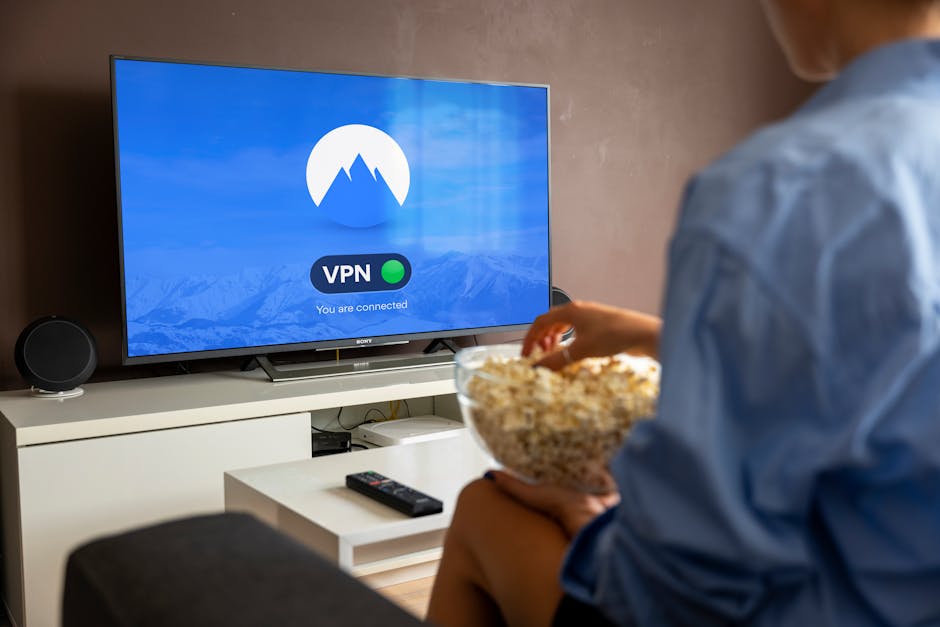
Device compatibility and basic setup steps
Compatibility depends on the provider’s supported app and your device’s software. Ask for a current list before subscribing. A Samsung Smart TV may have different app options from a Fire TV Stick, Android TV box, or Apple TV, and an app available on one platform may not be available on another. Don’t assume that every device described as “smart” can run the service.
Typical setup sequence
Confirm that your device model and operating system are supported. Check that the device is updated and connected to your home network. Install the app recommended by the provider, using the device’s official app store where available. Enter the account details or setup information supplied through the provider’s official channel. Test playback on Wi-Fi, then try Ethernet on the main TV if the device supports it. Save the official support contact and test it before a game night.Be cautious if setup instructions ask you to install unknown files or disable important device protections. If you are unsure, pause and ask support to explain what the app is, where it comes from, and which device models it supports. Never send account credentials in an open forum.
“55,000+ live channels”: what should that claim mean?
A listing such as 55,000+ live channels is a channel-count claim, not a price, a guarantee of availability, or proof of picture quality. Ask what is included, whether the channels you actually watch are available, and how the provider handles channels that are offline or change. If someone presents “55,000+ live channels” as a price example, ask them to separate the channel count from the actual subscription price in CAD.
Likewise, “4K” needs specifics. Ask which content is genuinely delivered in 4K, what device and display are required, and what internet speed the provider recommends for one stream—and for multiple simultaneous streams. A useful estimate should account for the total number of people watching at once, not simply say “fast internet required.”
Game-night checklist
Keep this short checklist handy before puck drop or kickoff:
- Test the service at the time the game will be on. Check that the channel and device work before guests arrive. Use Ethernet for the main TV where practical. Pause large downloads and unnecessary streams. Know the support hours, contact method, and account details you may need. Have another way to follow the game if troubleshooting takes time.
The bottom line
IPTV support may be available during games, but the only safe answer comes from checking the current schedule, contact channel, and response expectations before you pay. Confirm whether support 9am to midnight ET applies to live chat, whether English and French help is genuinely available, and what happens outside those hours.
Then verify the practical details: CAD pricing, Interac e-Transfer terms, auto-renewal and cancellation rules, the free 24-hour trial, the 7-day refund policy, and whether your plan supports one to five simultaneous streams. Test your own devices—including your Samsung TV if that’s your main screen—and try the service at the time you normally watch. The best time to find out how support works is during a quiet test, not during the final minutes of a close game.