If you’re comparing IPTV in Ontario, one small setting can make a big difference: does the on-screen guide show programmes at the right local time? A guide that’s an hour early or late can leave you missing a game, news broadcast or favourite show—even when the stream itself works perfectly.
The short answer is: sometimes. An IPTV guide usually follows Eastern Time when the app, device and electronic programme guide (EPG) are configured correctly. But the provider’s guide data, your device’s time zone and daylight saving settings can all affect what appears on screen.
This guide explains how to check an IPTV EPG timezone, what to expect from IPTV in Ontario Eastern Time, how to look for IPTV Canada local stations, and what to confirm about pricing, trials, devices and simultaneous streams before subscribing.
Does IPTV Automatically Use Eastern Time in Ontario?
Often it does, but “automatic” depends on how the service is set up. Some IPTV apps use your device’s time zone. Others display the time zone associated with the provider’s guide data or require you to select one in the app. If those settings do not agree, programme listings may appear shifted by an hour or more.
Most of Ontario uses Eastern Time, including Toronto, Ottawa, Hamilton and Kingston. However, parts of north-western Ontario use Central Time. If you live in an area near the time-zone boundary, check your local time zone rather than assuming every Ontario household uses Eastern Time.
Daylight saving time is another factor. Ontario generally moves between Eastern Standard Time and Eastern Daylight Time. A well-maintained guide should adjust automatically, but a device with an incorrect date, time zone or daylight-saving setting may not. The result can be a guide that is correct for part of the year and wrong after the seasonal clock change.
What Is an IPTV EPG Time Zone?
EPG stands for electronic programme guide: the schedule grid that shows channel names, programme titles and start times. The listings are supplied as guide data and then displayed through your IPTV app. The time shown can depend on how the data is encoded and how the app interprets it.
For example, guide data may be stored in a universal time format and converted to local time by the app. In another setup, the provider may supply times already adjusted for a particular region. If the app applies an additional offset, listings can be wrong even though the original data is accurate.
Signs your guide may be using the wrong time zone
- Programmes consistently start one hour too early or too late. Live events appear in the guide at a time that conflicts with the broadcaster’s schedule. Some channels show correct times while others are shifted. The schedule changes incorrectly after a daylight-saving clock change. The device clock is correct, but the guide is not.
If the issue affects every channel by the same amount, check the device and app time-zone settings first. If only some channels are wrong, the provider’s guide data may need an update. Ask support what time zone the EPG is intended to use and whether the app has a separate offset setting.
How to Set Up IPTV for Eastern Time
The exact menus vary by app and device, but these steps will help you narrow down the cause of a time mismatch.
Set the device’s time zone. On a Fire TV, Android TV box, Apple TV or Samsung television, open the date and time settings. Select the correct regional time zone and turn on automatic time adjustment if available. Check daylight saving time. Make sure the device is set to update its clock automatically. Avoid manually changing the clock unless support specifically recommends it. Check the IPTV app. Look for settings named EPG, guide, time shift, UTC offset or time zone. Set the guide to the correct local zone if the app provides that option. Refresh the guide. Use the app’s refresh, reload or update EPG function. Some apps need to download current guide data before changes appear. Restart and compare. Close the app, restart the device and compare a programme listing with the broadcaster’s published schedule. Contact the provider if it remains wrong. Tell support your device, app, location and the size of the time difference. Mention whether every channel is affected or only certain ones.For a quick test, choose a programme that is currently airing on a channel you can verify through an official broadcaster schedule. A single listing is not enough to prove the whole guide is accurate, but checking a few channels can reveal whether the issue is a general offset or incomplete guide data.
IPTV Canada Local Stations: What to Check
Channel names and guide listings do not always tell the whole story. If local news, weather, sports or regional programming matters to you, ask specifically which local stations are included for your area. “Canadian channels” may refer to national networks, regional feeds or a mix, so it is worth confirming before paying.
- Ask whether the service carries the local feeds you actually watch. Check whether the station is live, on demand or both. Confirm that the EPG identifies the correct city or regional feed. Test local news and a scheduled programme during a trial, if available. Ask whether the channel’s availability can vary by location or change over time.
These checks are especially useful when comparing IPTV Canada local stations. A channel list may show a familiar network name without making clear whether it is the feed for Toronto, Ottawa or another market. Test the stream and its guide details rather than relying on the name alone.

Pricing, Payment and Trial Terms to Confirm
Before choosing a provider, get the full price in Canadian dollars. A quote should make clear whether the amount is in CAD, how long the subscription lasts, how many connections are included, and whether taxes or other charges apply. Do not assume a price shown without a currency symbol is Canadian dollars.
For instance, a provider might advertise “55,000+ live channels” as a service feature. That is a channel-count claim, not a price or a guarantee that every channel will work in your region. Ask for a current channel list and use a trial to test the channels and guide data you care about.
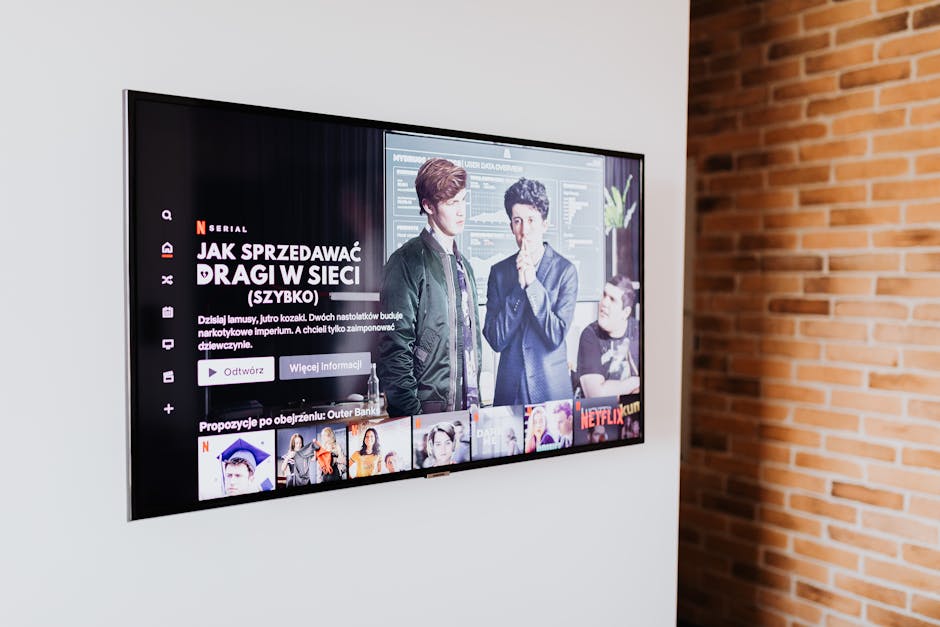
If you are considering IPTV Jacom, confirm its current plan details directly before ordering. The terms to check include CAD pricing, whether payment is by Interac e-Transfer only, the length of any free 24-hour trial, and the conditions of a 7-day refund window. Policies can change, so get the current terms in writing and keep your receipt and any support correspondence.
Interac e-Transfer is familiar to many Canadian customers, but it is important to understand exactly how a payment bbchartertech is handled. Confirm the recipient, payment instructions, refund process and whether the transaction is a one-time payment or part of a recurring arrangement. Do not send money until the provider has clearly explained the terms.
What to verify Why it matters Price in CAD Helps you compare the real cost without guessing about currency conversion. Interac e-Transfer-only payment Lets you understand the payment process and what records to keep. Free 24-hour trial Gives you a limited time to test the app, channels and EPG. 7-day refund window Clarifies the deadline, eligibility conditions and how to request a refund. Number of simultaneous streams Prevents confusion when more than one person wants to watch at once.How Many Devices Can Stream at Once?
Multi-device support can mean two different things: the service may let you install an app on several devices, while limiting how many streams can play at the same time. Ask which limit applies. A plan offering one to five simultaneous streams, for example, should state whether that means one, two, three, four or five active connections—and whether each connection can be used in a different household.
Think about how your family watches. One stream may suit a single viewer. Two or three may be more practical for a household with separate living-room and bedroom TVs. Five simultaneous streams can be useful for a larger household, but confirm that the plan you choose includes that number and that the provider permits your intended use.
Do not test simultaneous connections only by opening multiple apps on the same device. Use the actual mix you expect at home—such as a living-room television, a bedroom device and a phone—and check whether playback remains stable.
Device Compatibility and Setup Steps
IPTV apps may be available for Fire TV devices, Android TV boxes, Apple TV or selected smart televisions, including some Samsung models. Compatibility varies by provider and app, so check the supported-device list before subscribing. A television being “smart” does not automatically mean it supports the IPTV app you want.
A typical setup looks like this:
Confirm support. Ask which app and device models are supported, including your exact Samsung TV model if you plan to use the television directly. Install the recommended app. Use the official app store or the provider’s documented installation instructions. Be cautious with unfamiliar downloads or requests to disable security settings. Enter your login details. Use the information supplied by the provider, and keep it private. Set the time zone and load the EPG. Confirm the device uses the correct local time and refresh the guide. Test channels and playback. Try the local stations, on-demand content if included, and a live event you would normally watch. Test each intended device. Check the connection limit and the picture quality from the rooms where you will watch.Internet Speed and Buffering: Do the Maths
Even a well-configured guide cannot fix buffering caused by a weak connection. As a practical starting point, allow roughly 10–15 Mbps of stable download speed for one HD stream. For 4K, plan for approximately 25 Mbps or more per stream, depending on the video and service. Those are planning figures, not guarantees; Wi-Fi interference, other household use and the provider’s stream quality can all affect playback.
For example, if two people are watching HD at the same time, you may want around 20–30 Mbps available just for those streams, with extra capacity for video calls, gaming and downloads. For the main TV, I prefer wired Ethernet where possible. It removes one common source of Wi-Fi instability and makes troubleshooting easier.
When buffering occurs, note the time of day. Does it happen every evening, during sports, or only on one device? That timing can help separate a home Wi-Fi issue from congestion or a problem with a particular stream.
Use a Trial as a Real-World Test
A free 24-hour trial, if currently offered, is most useful when you treat it as a checklist rather than a quick channel-count tour. Test at the times you usually watch, and do not wait until the last few minutes to check the EPG or request help.
- Confirm the guide shows Eastern Time for your location. Check the local stations and programmes you care about. Test the main TV and any other devices you plan to use. Try more than one simultaneous stream if your household needs it. Check picture stability during your normal evening viewing period. Save the provider’s price, payment and refund terms.
If a 7-day refund window is part of the offer, read its conditions before subscribing. Confirm when the seven days start, which plans qualify, how to submit a request and whether any fees are excluded. A clear written policy is better than relying on a verbal promise.
Bottom Line: Check the Guide, Not Just the Channel List
IPTV in Ontario can show the correct local schedule, but the EPG does not always switch to Eastern Time automatically. Your device’s time zone, daylight-saving settings, app configuration and the provider’s guide data all play a role. Most of Ontario uses Eastern Time, while some north-western areas use Central Time, so set the device to your actual location.
Before subscribing, verify the local feeds, CAD price, payment method, trial and refund conditions, supported devices and number of simultaneous streams. If you are considering IPTV Jacom, ask for its current terms directly, then use any available trial to check your own channels and setup. The best test is simple: open the guide, compare it with a known local schedule, and see whether it works at the time your household actually watches.